Dubai's Social Landscape: Understanding Sex Work, Tolerance, and Reality
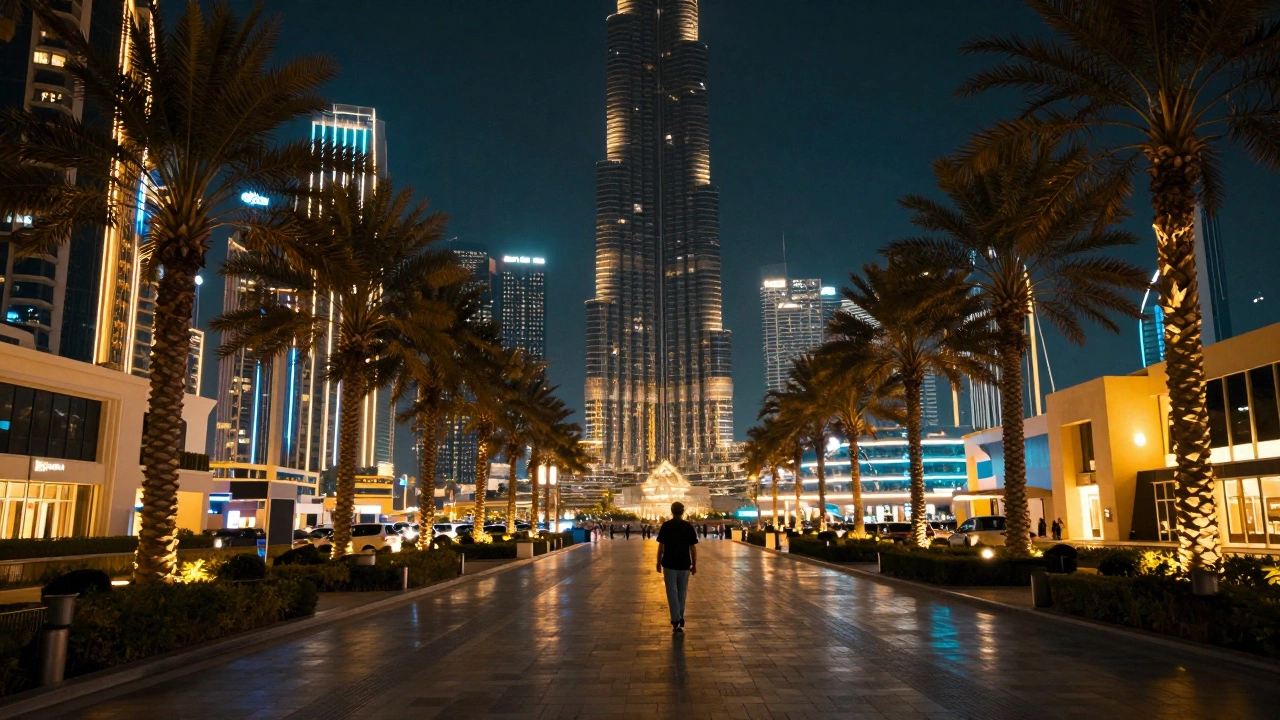
Dubai often gets painted as a city of extremes-glittering skyscrapers, luxury malls, and desert safaris under starlit skies. But beneath the surface of its polished image lies a more complex social reality, especially when it comes to sexuality and personal freedom. While the city is known for being tolerant in many ways, that tolerance doesn’t extend to all forms of sexual expression. The truth is, prostitution in dubai is illegal, and enforcement can be harsh. Tourists and residents alike often misunderstand the rules, assuming openness equals legality. It doesn’t work that way.
Some people searching for companionship or intimate services end up stumbling into risky territory. A quick online search might lead them to websites offering arrangements under the guise of "companion services" or "entertainment modeling." One such site, call girls in sharjah, operates in a legal gray zone, targeting visitors who don’t fully grasp the difference between Sharjah’s stricter Islamic laws and Dubai’s more relaxed public demeanor. But even if a service claims to be "discreet," the risk remains. Police raids, deportation, and fines are real consequences.
What makes Dubai’s stance on sex work so confusing is the contrast between perception and law. The city welcomes global travelers, embraces diverse cultures, and doesn’t police private behavior the way some other Middle Eastern nations do. You’ll see couples holding hands, women walking alone at night, and open discussions about relationships in expat circles. But those freedoms stop at the line of commercial sex. The law doesn’t distinguish between consenting adults and paid encounters-it criminalizes the transaction, not the intimacy.
Why the Myth of Tolerance Persists
The idea that Dubai is sexually liberal comes from its international vibe. You’ll find nightclubs, beach parties, and hotels that cater to couples without judgment. Expats from Europe, North America, and Australia often bring their own cultural norms with them, assuming what’s normal back home is fine here. But Dubai’s tolerance has limits. It’s tolerance for diversity in culture, cuisine, and dress-not for violating its moral code.
Many foreigners assume that because they don’t see police patrols near hotels or bars, the rules aren’t enforced. That’s not true. Law enforcement focuses on visible activity: public solicitation, street-based prostitution, and online ads that cross into explicit territory. What happens behind closed doors is harder to track, but when complaints arise or investigations uncover networks, the consequences are swift. Arrests aren’t rare-they’re routine for those caught selling or buying sex.
The Reality of Prostitutes in Dubai
Prostitutes in dubai don’t operate openly. There are no red-light districts, no licensed brothels, no visible street workers. Instead, arrangements happen through private networks: social media DMs, encrypted apps, word-of-mouth referrals. These networks are often run by individuals or small groups, sometimes linked to larger trafficking rings. Many of the women involved are foreign nationals on tourist or visit visas, lured by promises of modeling or hospitality jobs. Once they arrive, their documents are taken, and they’re forced into sex work.
It’s not just about desperation-it’s about exploitation. The same systems that bring tourists to Dubai for luxury also attract predators looking to profit from vulnerability. The government has cracked down on these networks in recent years, especially after international pressure and reports from human rights groups. But as long as demand exists, supply finds a way-often through increasingly hidden channels.

What About Sharjah and Other Emirates?
Sharjah, just 30 minutes from Dubai, is even stricter. It’s governed by conservative Islamic law and has zero tolerance for any form of sexual activity outside marriage. The idea of "call girls in sharjah" is not just illegal-it’s considered deeply offensive by local standards. Tourists who think they can cross the border for "safer" services are mistaken. Police checkpoints between emirates are common, and officers are trained to spot suspicious behavior. Getting caught in Sharjah can mean longer jail terms and harsher penalties than in Dubai.
The same applies to Abu Dhabi, Ras Al Khaimah, and Fujairah. Each emirate enforces its own version of Sharia law, and while enforcement varies, none of them allow commercial sex. Even private, consensual encounters between unmarried foreigners can lead to legal trouble if reported by a neighbor, hotel staff, or even a jealous partner.
What Are the Real Risks?
Let’s be clear: the biggest danger isn’t just arrest. It’s safety. People who seek out paid sexual services often don’t know who they’re dealing with. Scams are common-people pay upfront and never meet the person they arranged with. Others are drugged, robbed, or physically harmed. There’s no legal recourse if something goes wrong. You can’t call the police without risking your own arrest.
Even if everything goes "smoothly," the emotional toll can be heavy. Many who engage in these encounters later report feelings of shame, guilt, or confusion, especially if they’re from cultures where sex work is stigmatized. The anonymity of the internet makes it easy to rationalize behavior, but the consequences are very real.
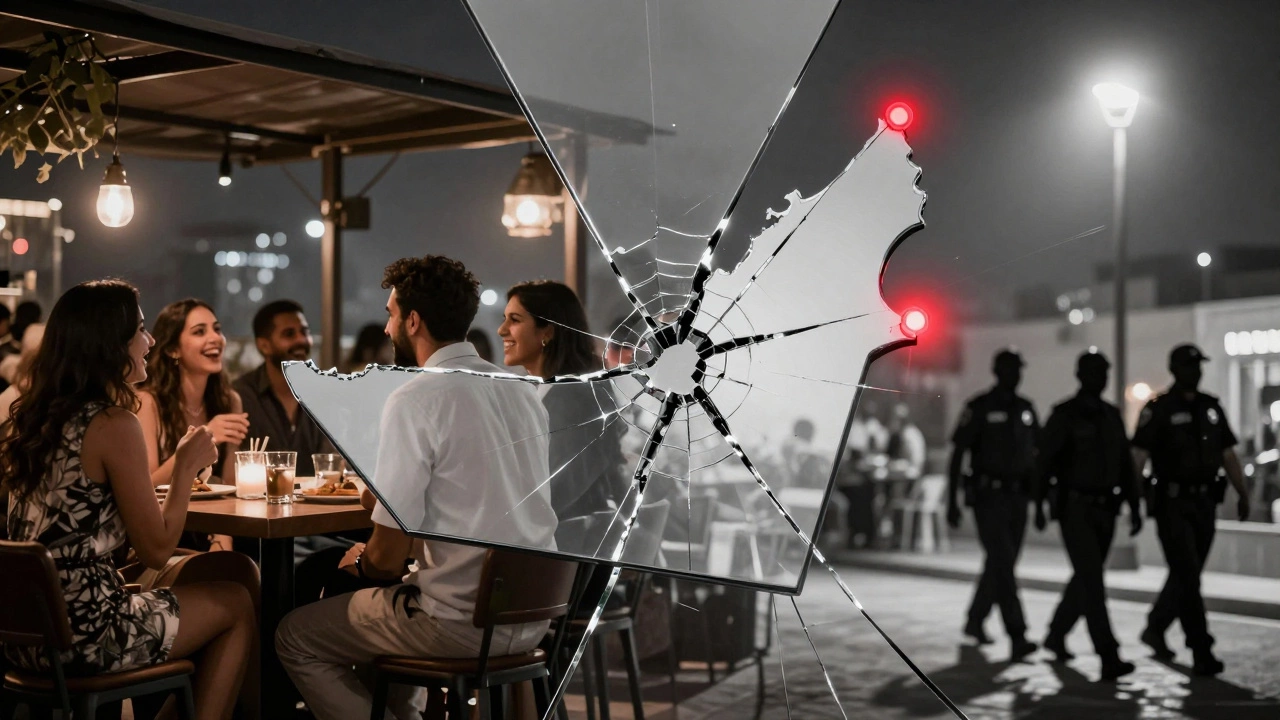
What Should You Do Instead?
Dubai offers plenty of ways to connect with people without crossing legal lines. Social clubs, language exchange meetups, volunteer groups, and expat events are all thriving. Many locals and expats are open, friendly, and eager to make genuine connections. Dating apps like Bumble and Tinder work fine here-just keep things respectful and avoid explicit language in profiles.
If you’re lonely or looking for companionship, try joining a hiking group, a book club, or a fitness class. Dubai has active communities for nearly every interest. You’ll meet people who share your values, not your desperation.
Final Thoughts
Dubai isn’t a place where you can bend the rules and get away with it. Its tolerance is real-but it’s not unlimited. The city thrives because it balances modernity with tradition. Pushing against that balance doesn’t make you bold-it makes you vulnerable.
If you’re visiting or living here, respect the laws. They’re not just about religion-they’re about safety, dignity, and order. There’s no shortcut to connection that’s worth risking your freedom, your future, or your life.
- December 2, 2025
- Darius Beaumont
- 0 Comments
- Permalink