UK Budget 2025 slashes living costs with £900 wage hikes, child poverty cut, and new taxes on EVs and mansions

When Rachel Reeves, Chancellor of the Exchequer, unveiled the Budget 2025 in early 2025, she didn’t just present numbers—she delivered a lifeline. Households across the United Kingdom are set to save hundreds on energy bills, while 550,000 children could be pulled from poverty by 2026. But here’s the twist: to fund it all, the government is hitting the wealthy—with a new mansion tax and a surprising levy on electric cars. It’s not just about relief. It’s about redistribution. And it’s happening fast.
Living Costs Drop, But Taxes Rise
Starting April 2026, the average household will save £150 on energy bills thanks to the removal of levies. For low-income families, that number jumps to £300. Meanwhile, the Office for Budget Responsibility confirmed that the Rachel Reeves-led Treasury is scrapping the controversial two-child benefit cap entirely. That single move alone lifts 450,000 children out of poverty immediately, and with expanded free school meals and breakfast clubs, the total climbs to 550,000. It’s the biggest child poverty reduction in a UK budget since the 21st century began. But the relief isn’t free. To pay for it, the government introduced a £2,500 to £7,500 annual mansion tax on homes valued over £2 million. The Office for Budget Responsibility estimates this will raise £400 million yearly. Then came the curveball: a new mileage tax on electric vehicles. Yes, EVs—long celebrated as green heroes—will now pay 10p per mile, raising £1.4 billion annually. It’s a blunt tool, but the Treasury argues it’s necessary to offset lost fuel duty revenue as more Britons ditch petrol cars.Wages, Pensions, and Prescription Relief
Full-time workers on the National Living Wage (aged 23+) will see a £900 annual pay bump starting April 2025. Those aged 18–20 on the National Minimum Wage? A staggering £1,500 increase. That’s more than the inflation rate for most of the past decade. The Department for Work and Pensions says 5.8 million Universal Credit claimants will benefit from a 9.8% rise in standard allowances—£110–£180 more than inflation would’ve allowed. Pensioners aren’t being left behind. The Triple Lock remains intact until at least 2028–29, guaranteeing the full State Pension rises by the highest of inflation, earnings, or 2.5%. That’s an extra £575 per year for 12.6 million retirees. In winter 2025, over 75% of pensioners in England and Wales will receive Winter Fuel Payments again, reversing cuts from previous years. And for the 1.1 billion prescriptions filled each year in England, the £9.65 fee stays frozen through 2025–26. That’s a quiet but vital win for chronic illness patients, especially those on fixed incomes.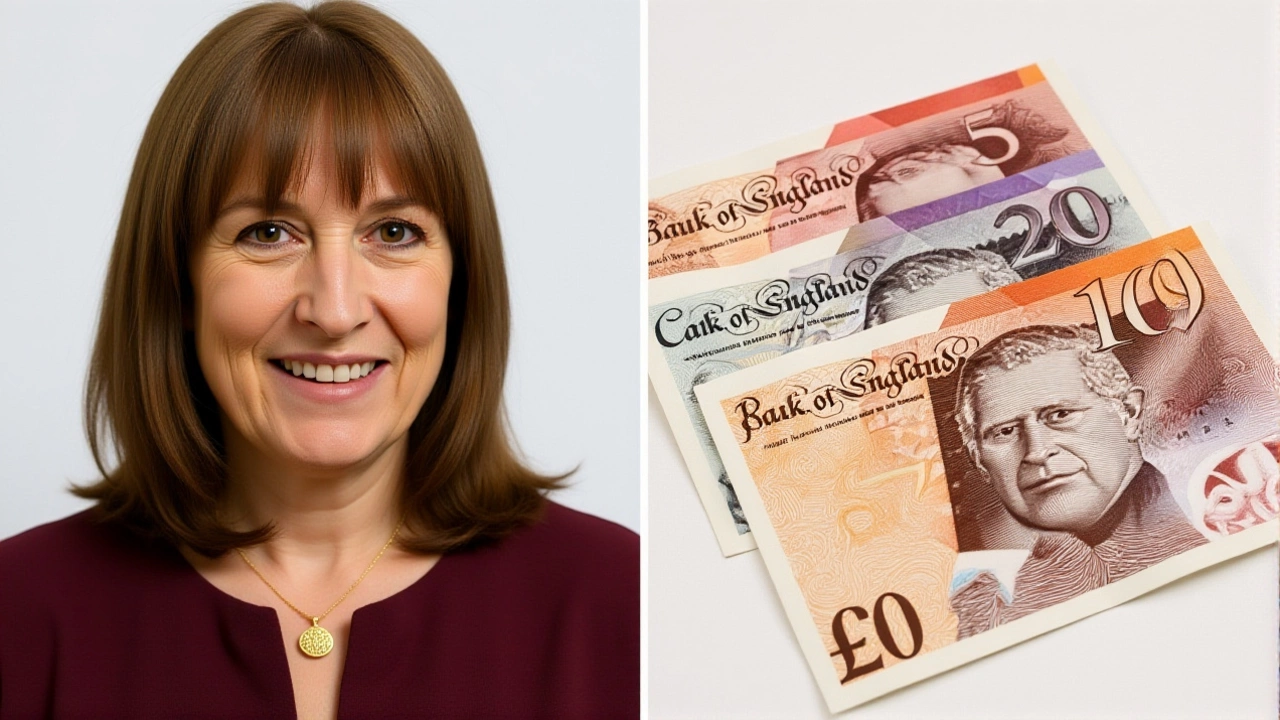
Who Pays? Who Benefits? The OBR’s Warning
The Office for Budget Responsibility didn’t just bless this plan—they flagged its risks. Economic growth for 2025 is now forecast at 1.5%, down from earlier projections. Inflation? 3.5%, higher than expected due to wage pressures and food costs. And here’s the catch: income tax thresholds are frozen for three more years. That means millions of workers getting small raises will be pushed into higher tax brackets, a phenomenon known as fiscal drag. The Treasury expects 32.5 million taxpayers to feel this squeeze. The gambling industry isn’t off the hook either. Online operators face a hike from 12% to 15% duty, while remote bingo jumps to 21%. The Gambling Commission in Birmingham oversees a £140 billion market—and now, it’s paying its share. Total new tax revenue? Over £2.8 billion annually.The Bigger Picture: A New Social Contract?
This budget isn’t just economic policy—it’s moral policy. The removal of the two-child limit, first imposed in 2017 under the Welfare Reform Act 2012, was widely condemned by charities like the Child Poverty Action Group. Now, it’s gone. The government isn’t just spending money. It’s signaling that child poverty is no longer an acceptable trade-off for fiscal discipline. The rail fare freeze, meanwhile, saves commuters up to £400 on annual season tickets. The Department for Transport confirmed it covers all franchised services in England. It’s a nod to the millions who rely on trains but have been priced out by years of increases. Still, critics warn: the burden is uneven. Low-income families gain from benefits and wage hikes, but middle earners—those just above the poverty line—face higher taxes and no direct relief. And while EV drivers pay more, they’re still the minority: only 1.3 million electric cars are expected on UK roads by 2026.
What’s Next?
The Office for Budget Responsibility will release its updated economic forecast in October 2025, measuring how these changes affect inflation, growth, and public finances. If the £150 energy savings and £900 wage boosts deliver as promised, public support may hold. But if inflation bites harder than expected—or if the mansion tax triggers a drop in luxury property sales—the government could face backlash. For now, the message is clear: the UK is choosing fairness over austerity. But fairness, as always, comes with trade-offs.Frequently Asked Questions
How does the two-child limit removal affect families on Universal Credit?
Starting April 2026, families with three or more children will no longer face benefit caps on additional children. This change directly lifts 450,000 children out of poverty immediately, rising to 550,000 when combined with free school meals and breakfast clubs. The policy reversal affects roughly 1.2 million households, with the Department for Work and Pensions estimating an annual cost of £2.3 billion.
Why is the UK taxing electric vehicles now?
As petrol and diesel vehicles decline, the government loses £30 billion annually in fuel duty. The new 10p-per-mile tax on EVs—effective for cars registered after April 2025—aims to replace that revenue. It’s expected to raise £1.4 billion yearly and apply to 1.3 million EVs by 2026. Critics argue it undermines green goals, but the Treasury says it’s a necessary step to maintain public transport funding.
Who will be most affected by the frozen income tax thresholds?
The freeze affects 32.5 million UK taxpayers. As wages rise with inflation, more people will be pushed into higher tax bands without a real income gain. For example, someone earning £35,000 in 2025 may find themselves paying 40% tax in 2026, even if their real purchasing power hasn’t increased. This ‘fiscal drag’ is projected to generate £1.2 billion extra in revenue by 2028.
Will pensioners really get £575 more per year?
Yes. The Triple Lock guarantees the full new State Pension rises by the highest of inflation, average earnings, or 2.5%. With inflation and wage growth both elevated, the increase for April 2026 is projected at £575 annually for 12.6 million pensioners. That’s roughly £11 extra per week—enough to cover heating bills or prescription co-pays for many.
What’s the timeline for full implementation of Budget 2025 measures?
Most wage and benefit increases take effect in April 2025. The energy bill levy removal, mansion tax, and EV mileage tax begin April 2026. The two-child limit abolition and pension boost also launch in April 2026. The Office for Budget Responsibility will assess initial impacts in its October 2025 forecast, with full-year data expected by March 2027.
How does this budget compare to past UK fiscal plans?
Unlike austerity budgets under George Osborne or the temporary pandemic support of 2020–22, Budget 2025 is a deliberate shift toward redistribution. It’s the first budget since 2010 to scrap a major benefit cap and expand social support while raising taxes on wealth and high-income sectors. The scale of child poverty reduction—550,000 children—is unmatched since the 2000s, making this one of the most socially transformative budgets in modern UK history.
- November 26, 2025
- Darius Beaumont
- 0 Comments
- Permalink